
01
Upload a few lawn photos
Snap 3–5 photos from different angles. No account, no signup — just your phone camera.
 AI Lawn Diagnostics · Built in New Jersey
Upload a few photos and let GreenStripe AI identify lawn problems, explain what's happening, and recommend the next steps — in under 2 minutes.
For existing customers
Use your GreenStripe service history to help us better understand your lawn and determine whether an inspection or service visit may be needed.
How it works
Snap 3–5 photos from different angles. No account, no signup — just your phone camera.
Our model, trained on thousands of cool-season turf images, examines color, density, and stress patterns.
A clear diagnosis with primary and secondary concerns, plus prioritized recommendations.
Take it on yourself, or ask a Rutgers-trained specialist to handle it. Zero pressure, either way.
How it works
Upload a few photos and we'll take it from here. Free, private, and no obligation.
Why GreenStripe AI
GreenStripe AI exists so homeowners can get a clear, honest answer about their lawn before anyone tries to sell them anything. The analysis is free, the recommendations are yours, and the next step is entirely up to you.
Kentucky bluegrass, tall fescue, ryegrass, and fine fescue — the grasses that actually grow here.
Tuned to our soil, climate, and pressures — from spring crabgrass to summer grubs.
Built on top of decades of on-the-ground experience from Rutgers-trained specialists.
Two minutes from upload to full report. No account, no waiting on email.
Your photos and address stay with us. We never sell your information.
The report is yours to keep — hire us, hire someone else, or handle it yourself.
Trusted by New Jersey
Lawn Diagnosis for New Jersey Homeowners
Whether you're dealing with brown patch, summer stress, weeds, crabgrass, grubs, poor color, or thinning turf, GreenStripe AI was built specifically for cool-season lawns commonly found throughout Central and Northern New Jersey.
Our AI lawn assessment is designed for homeowners throughout:
Whether you're simply looking to understand what's happening with your lawn or deciding whether you need professional lawn care, GreenStripe provides fast, AI-powered guidance backed by Rutgers-trained turf specialists.
Lawn Problems We Help Identify
Our AI is trained on thousands of real cool-season turf photos from across New Jersey — here are some of the most common conditions it identifies.
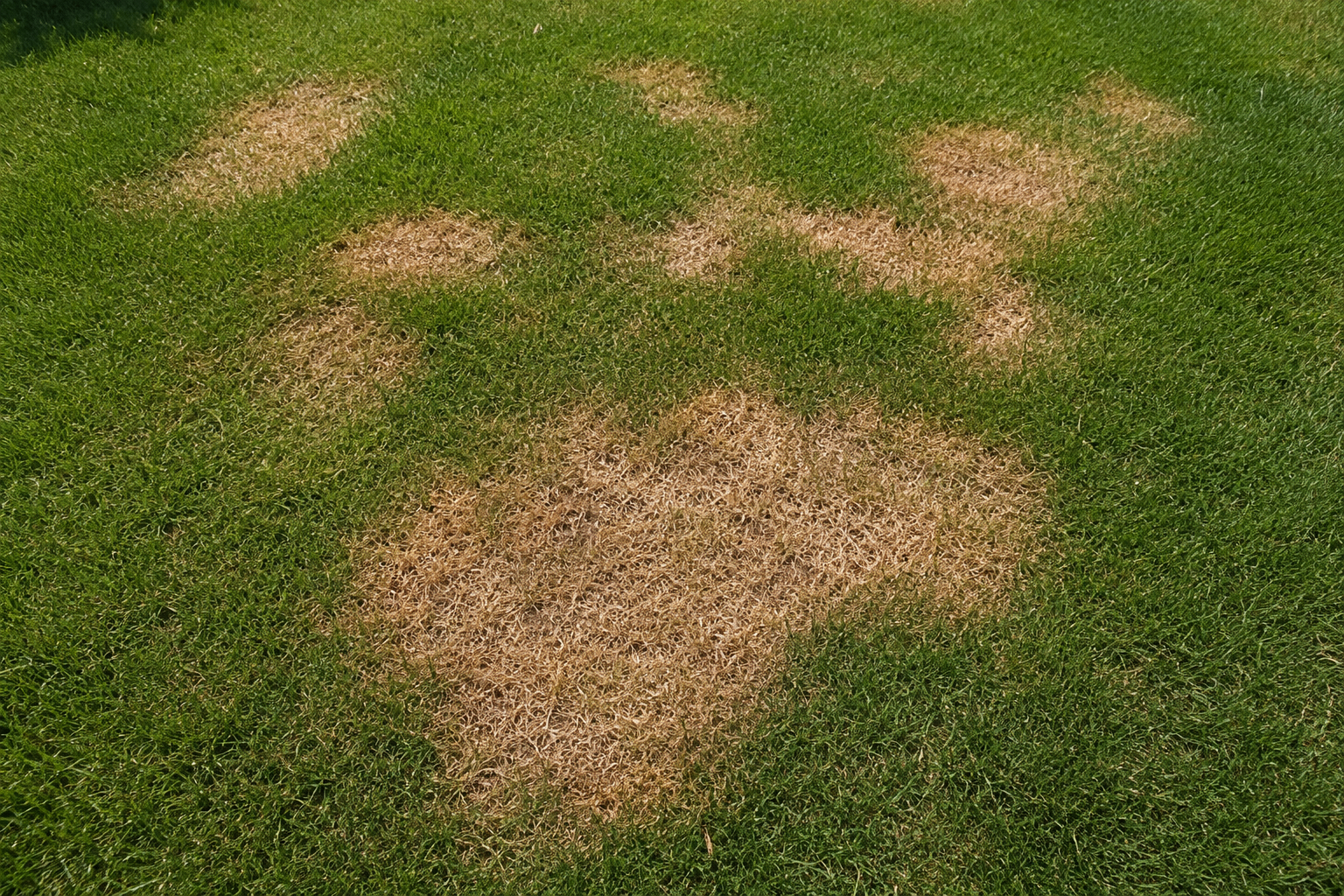
One of the most common lawn diseases in New Jersey during hot, humid summers. Brown patch leaves circular tan rings across cool-season lawns and can spread quickly across tall fescue and ryegrass if left untreated.
Learn more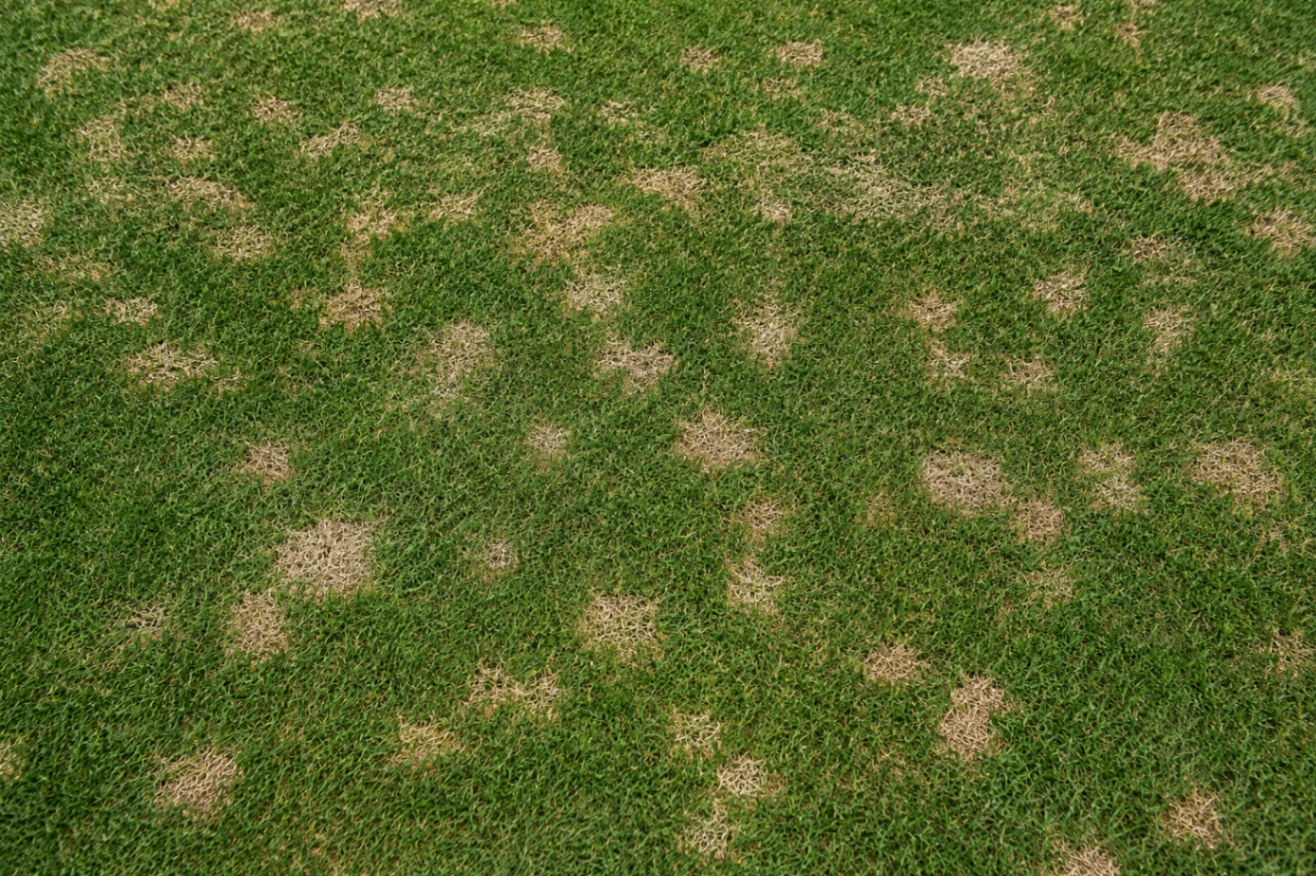
Small, silver-dollar-sized bleached spots that show up on humid New Jersey mornings with heavy dew. Dollar spot usually signals low nitrogen and stressed turf that needs feeding.
Learn more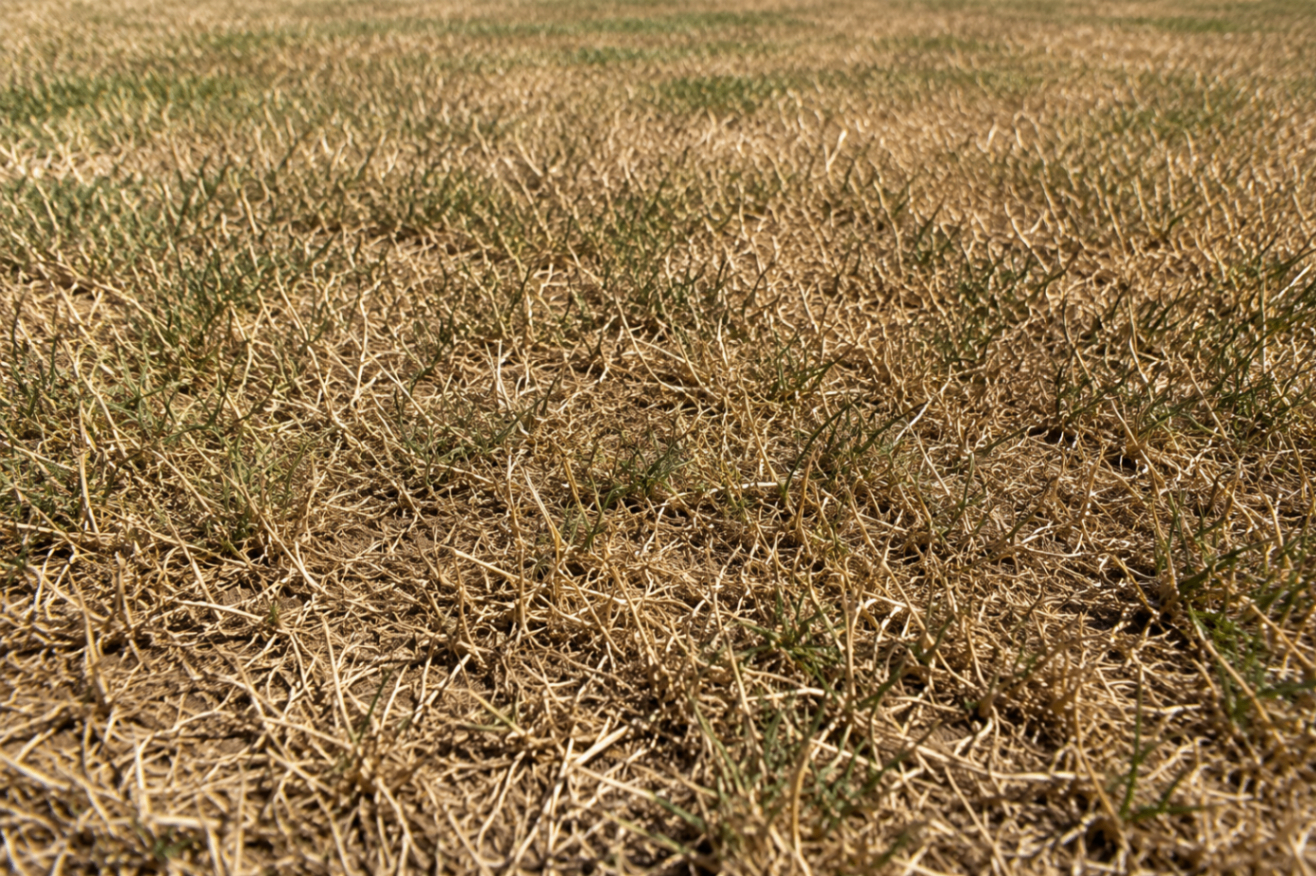
Yellowing, wilting, and thinning driven by extended heat and drought — the classic mid-summer look for New Jersey cool-season lawns. Most recover with the right watering, mowing height, and fall care plan.
Learn more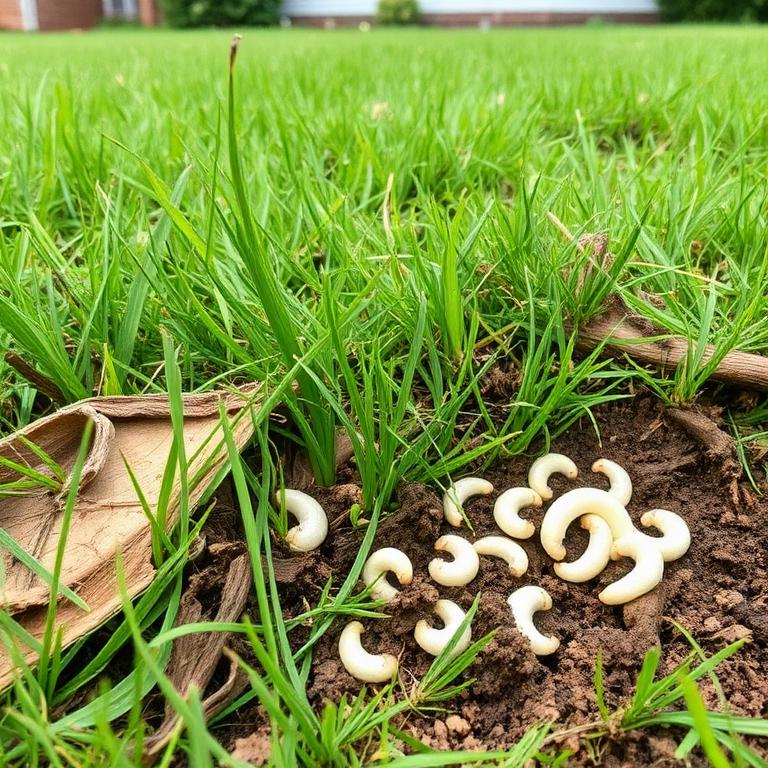
Patches of turf that lift like a loose carpet mean beetle larvae are feeding on the roots below. Untreated grub damage invites skunks, raccoons, and birds to tear up New Jersey lawns overnight.
Learn more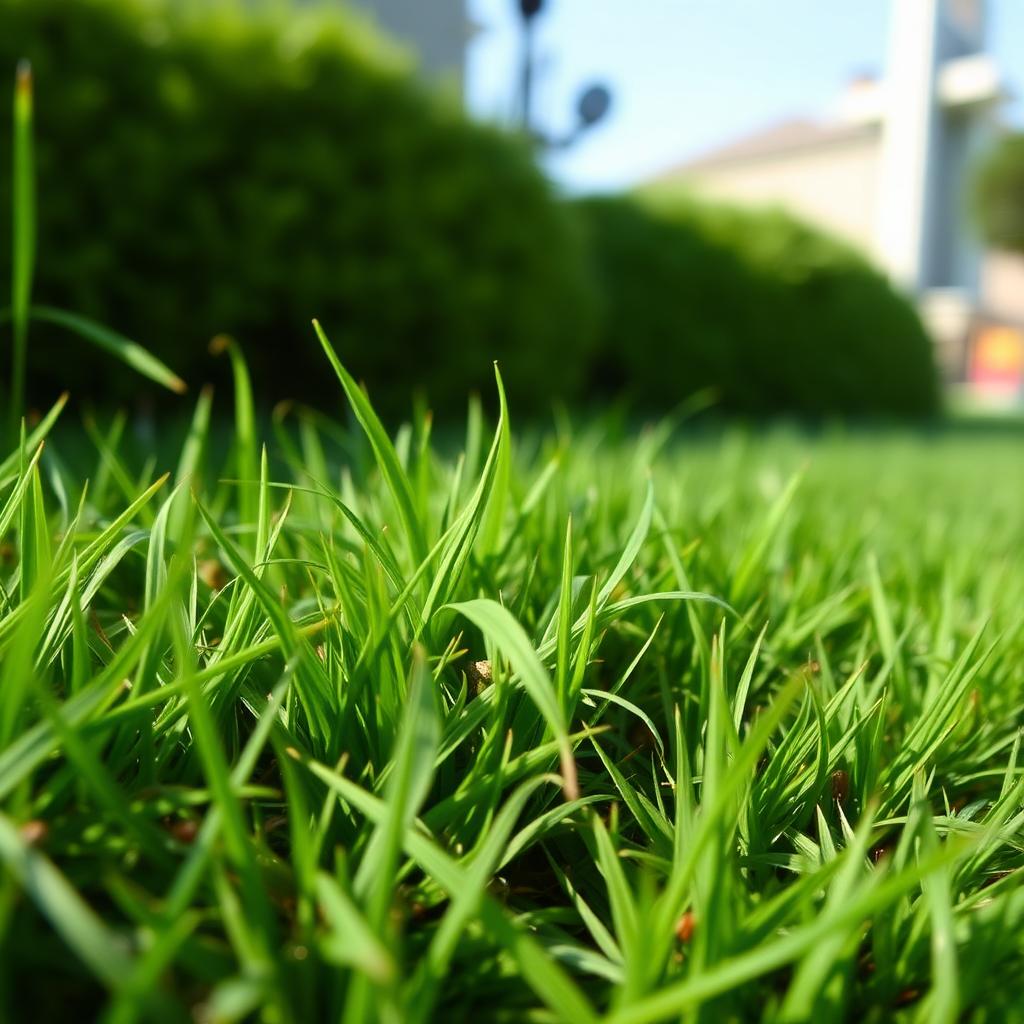
Coarse, light-green clumps that sprawl outward from a central point and take over thin turf every summer. Effective crabgrass control in New Jersey lawns needs both pre- and post-emergent timing.
Learn more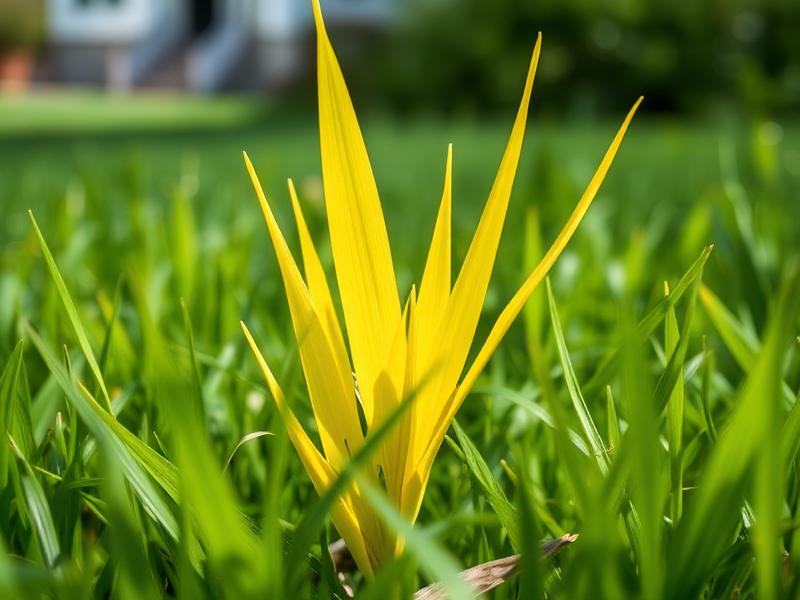
Bright, waxy, triangular blades that shoot up faster than surrounding grass and stand tall a day after mowing. Standard weed control usually won't touch nutsedge — it needs a targeted product.
Learn more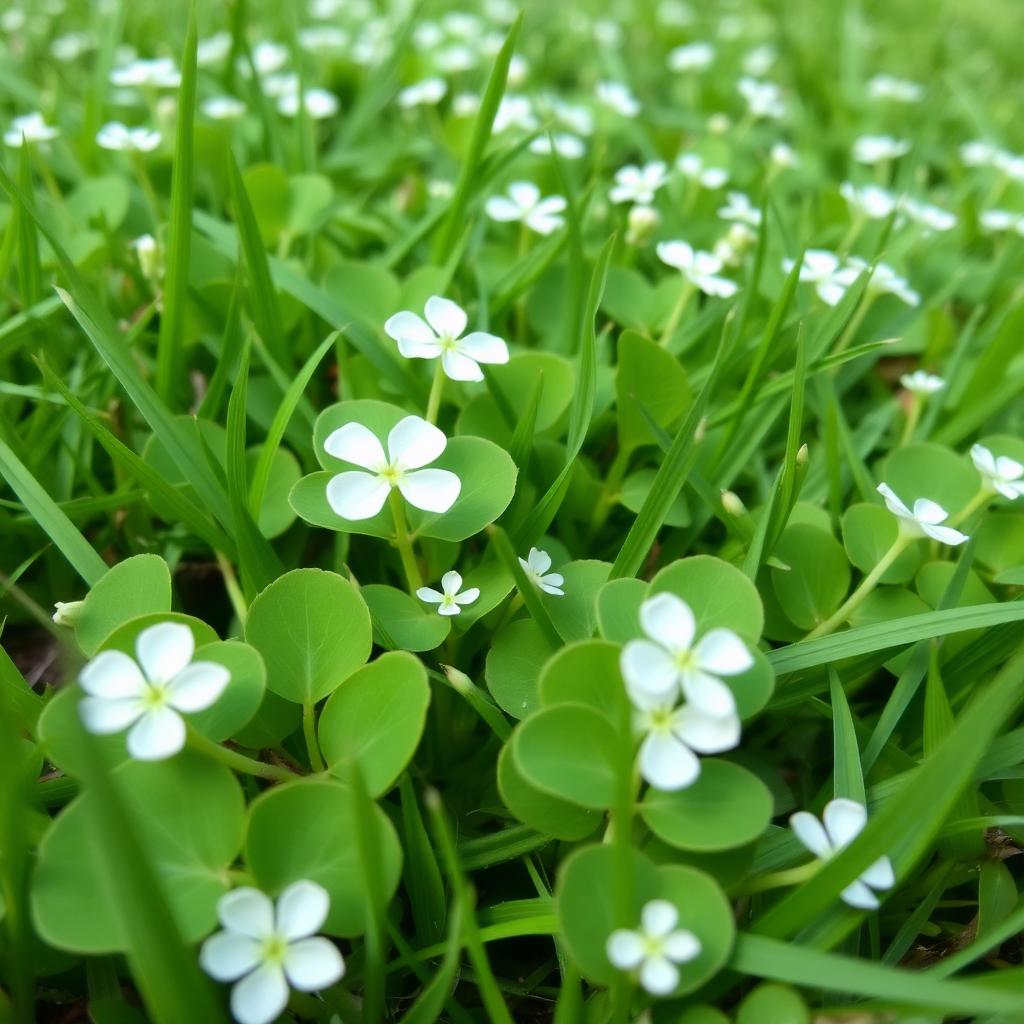
Low-growing patches with three-leaf clusters and small white flowers. Clover is one of the most common weeds in New Jersey lawns and usually signals low nitrogen and thin turf.
Learn more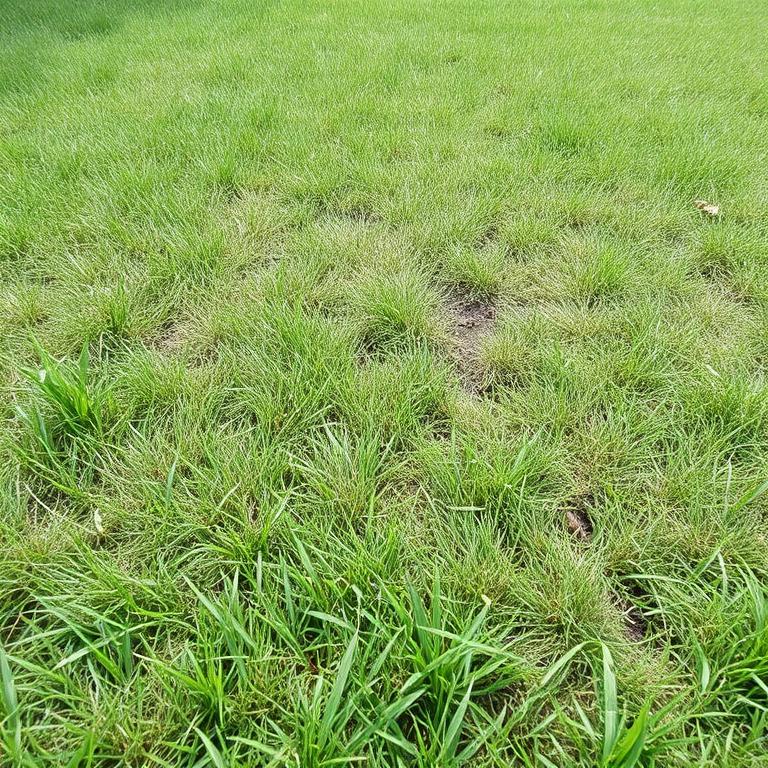
Sparse, patchy coverage that lets soil show through and invites weeds. Thin lawns across New Jersey are usually the result of compaction, shade, poor soil, or years of missed feedings and overseeding.
Learn more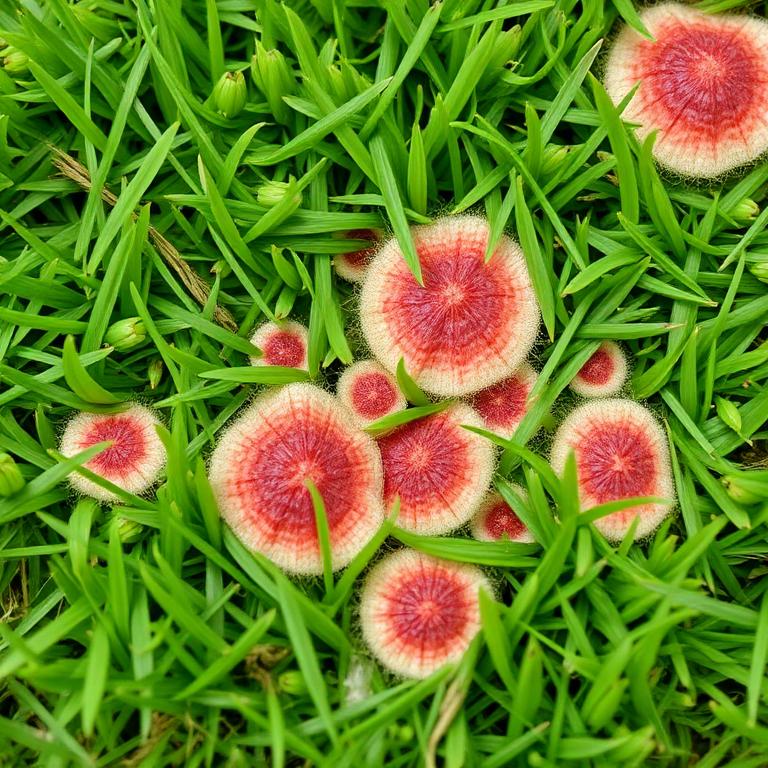
Red thread, summer patch, leaf spot, and other fungal diseases show up as rings, patches, or discolored blades on New Jersey cool-season lawns. Correct identification is critical — the wrong treatment makes it worse.
Learn more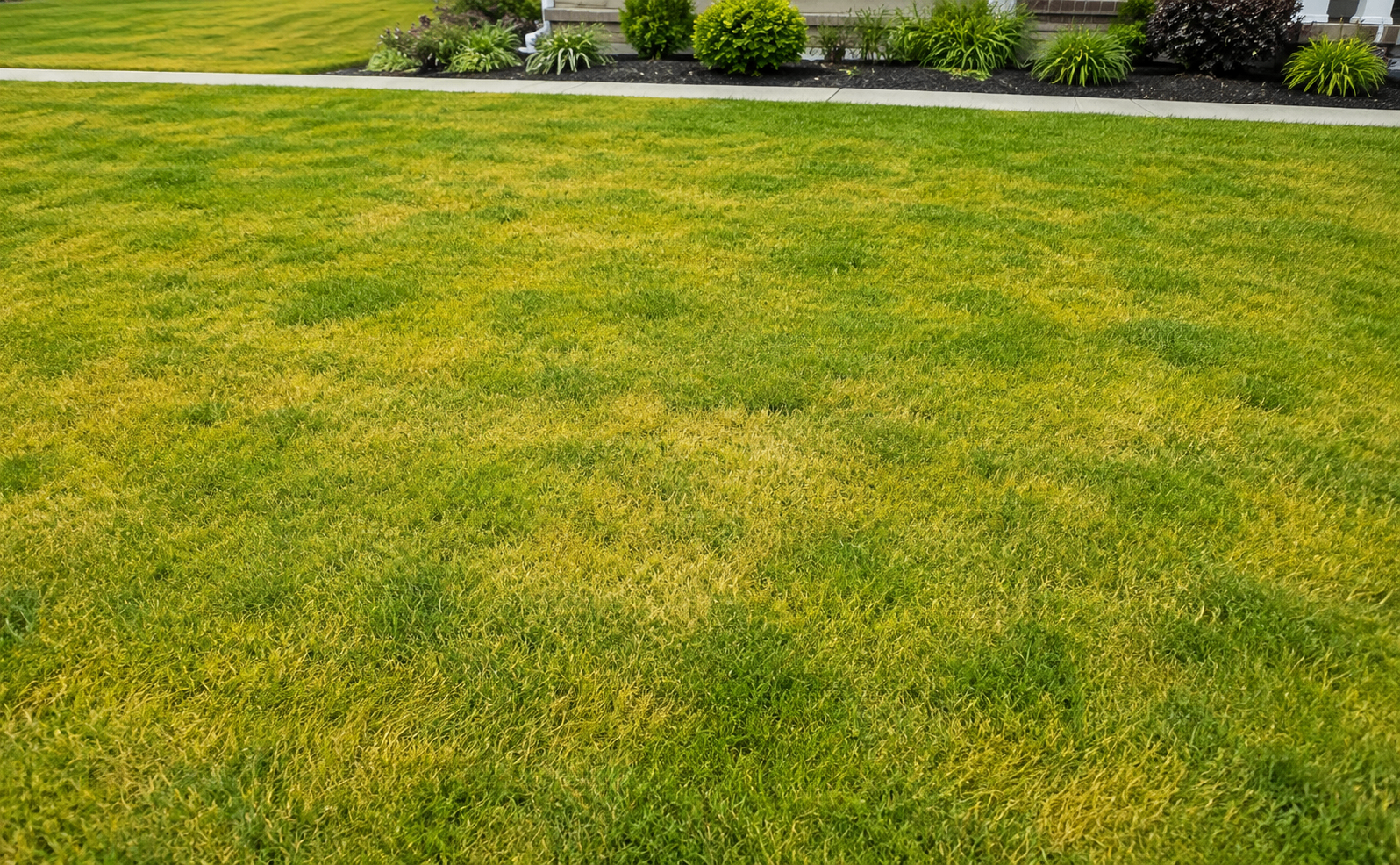
Pale or uneven green usually points to nitrogen or iron deficiency, inconsistent watering, or soil pH that has drifted out of range for New Jersey cool-season grasses.
Learn more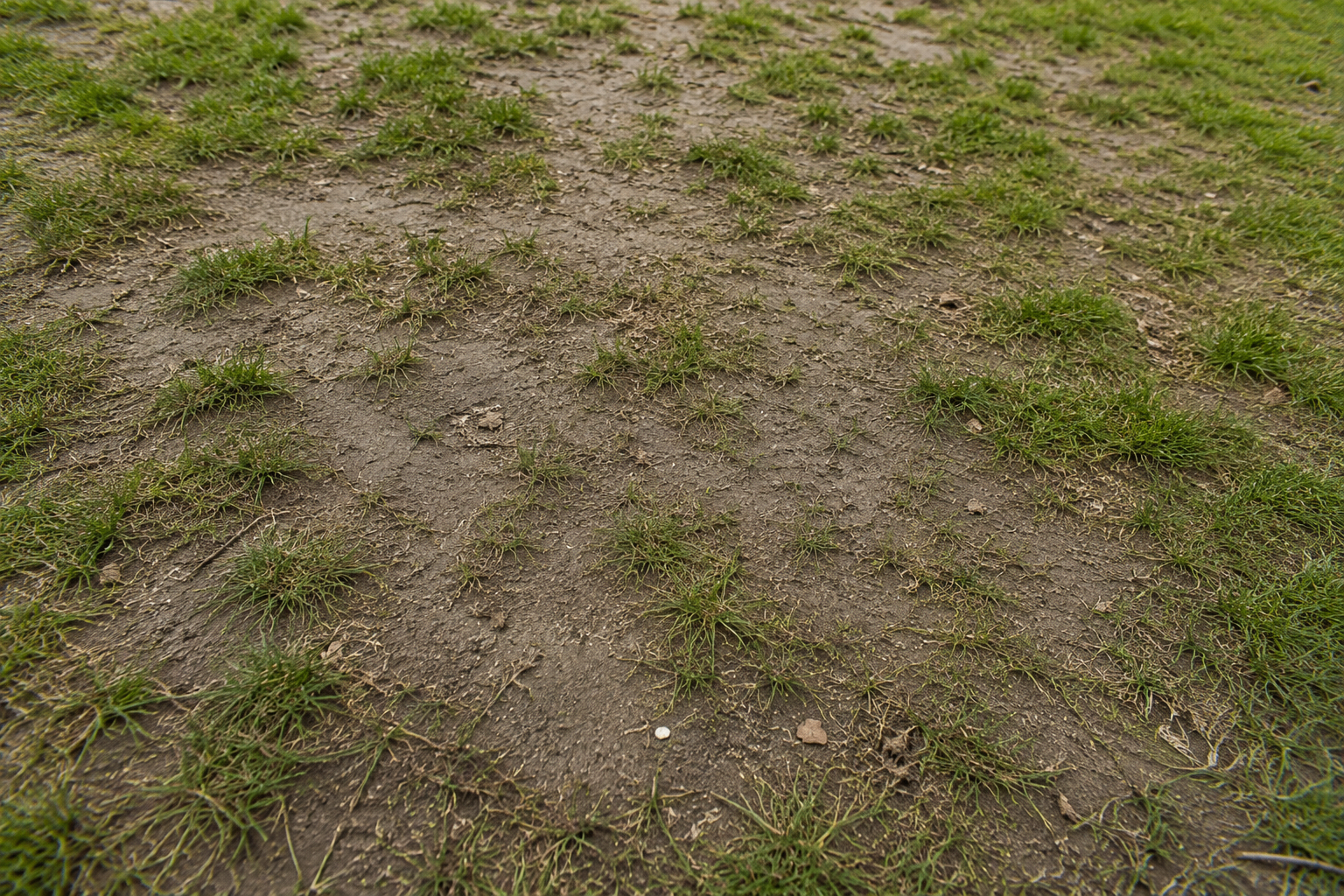
Hard, dense soil chokes roots and blocks water and air. It's common along walking paths and play areas across New Jersey lawns — fall core aeration is the standard fix.
Learn more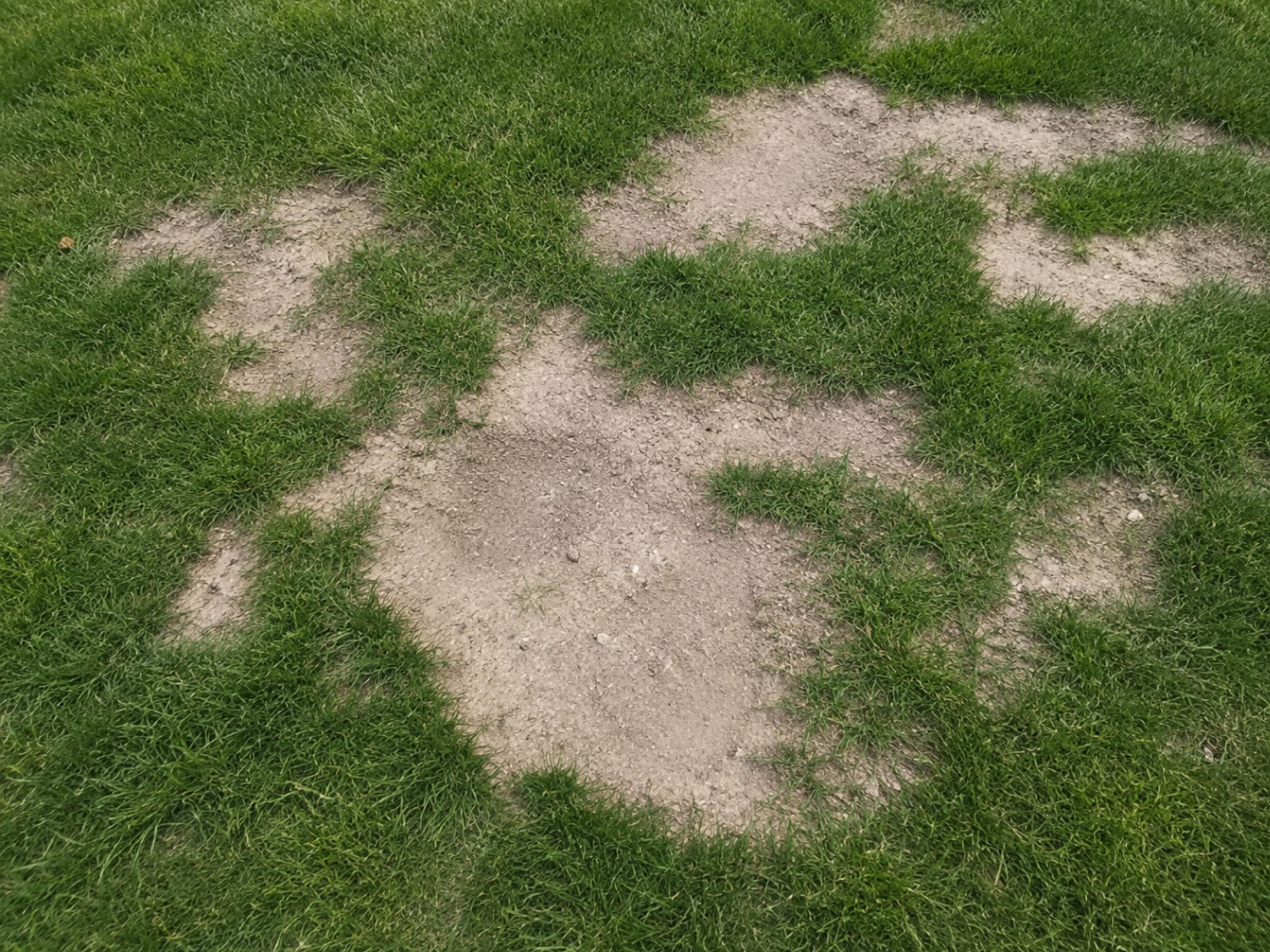
Open patches from pet damage, heavy traffic, disease, or grubs. Bare areas in New Jersey lawns need to be diagnosed first, then repaired with the right seed blend and seeding window.
Learn moreQuestions
Yes. The AI analysis and the written report are completely free — no credit card, no subscription, no obligation to become a customer.
Upload a few photos and get an answer in 2 minutes. Free, private, no obligation.
Analyze My Lawn Free